by Nicole Schnackenberg
(This article was first published in 2015 and appears here, re-edited, courtesy of Nicole)
“I am different, not less.” -Dr. Temple Grandin
ASD & Anxiety
Autism Spectrum Conditions (ASCs) affect the ways in which an individual communicates and interacts with others and experiences the world around them. Those with autism can also experience co-occurring difficulties with anxiety and low-mood, with a significant subgroup presenting with clinical-level anxiety disorders or high levels of anxiety traits (White, Oswald, Ollendick and Scahill, 2009).
The presence of such anxiety has been associated with, and even proposed to be caused by, sensory processing differences (e.g. Green and Ben-Sasson, 2010; Bodgashina, 2016), with the most recent edition of the Diagnostic and Statistical Manual (APA, 2013) introducing sensory hypo-reactivity and hyper-reactivity as features of autism. Estimates indicate that more than 80% of children with autism exhibit co-occurring sensory processing difficulties (e.g. Ben-Sassoon, Hen and Fluss, 2009).
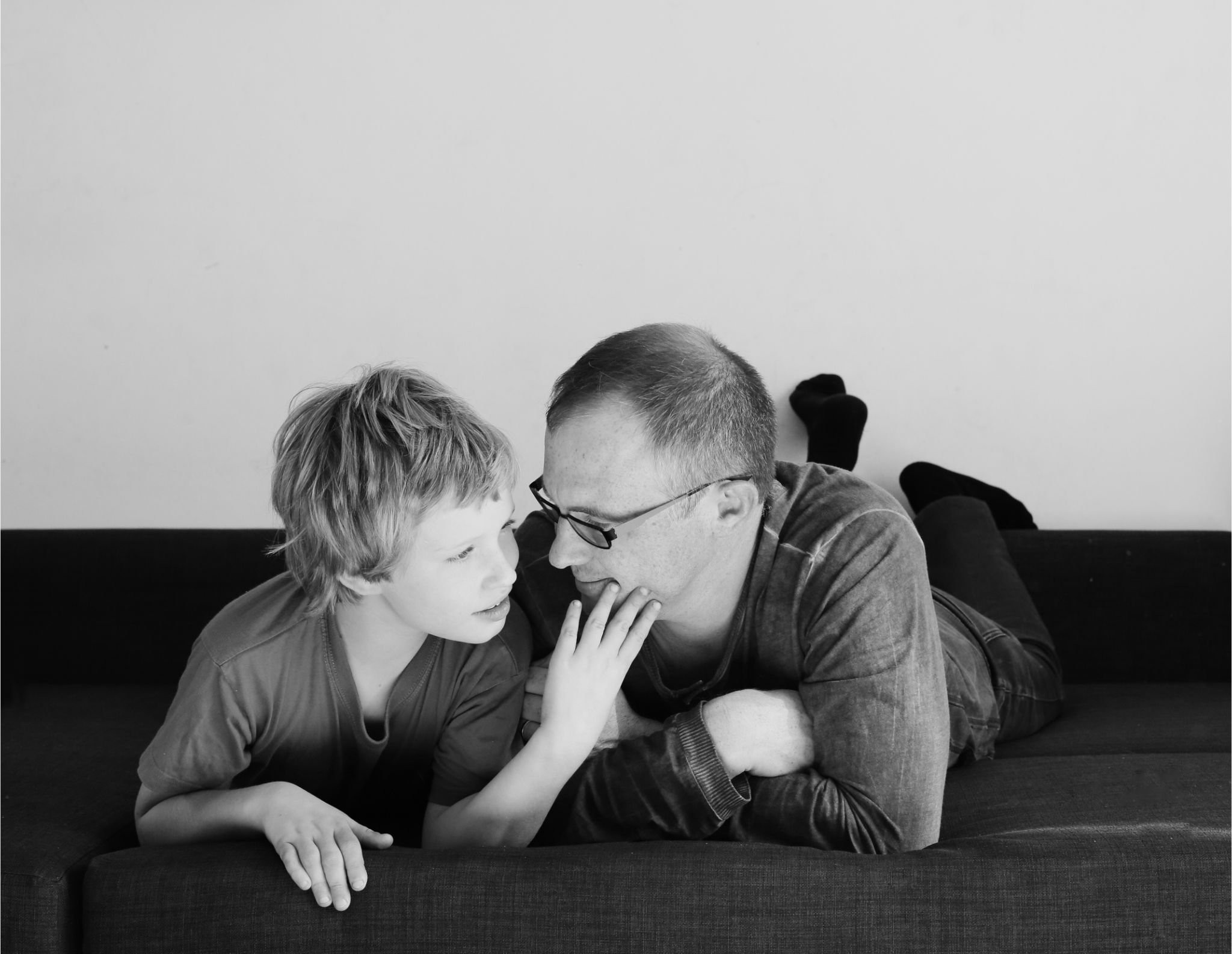
Many children with autism have a heightened or reduced sensory response in one or more of the eight senses (sight, hearing, smell, taste, touch, proprioception, vestibular and interoception). Families often report that sensory difficulties significantly restrict full participation in daily activities and create social isolation both for their child with autism and themselves (Dickie et al, 2009), for example making self-care tasks challenging and visits to places like supermarkets and restaurants overwhelming.
Further Impacts of Sensory Differences in Autism
Children with ASD are also reported to have a greater prevalence of sleep problems than typically developing children with reported sleep problems in children with ASD ranging from 44% to 83% (Richdale, 1999). Furthermore, children with ASD are more likely to suffer from gastrointestinal symptoms including abnormal stool patterns and frequent abdominal pain, with 66% of children in one study being found to have one or more lifetime gastrointestinal difficulties (Valicenti-McDermott et al. 2014).
Difficulties with range and quantity of food are also reported in more than 75% of children with autism (Cermak, Curtin and Bandini, 2010) which include selective eating, the consumption of non-food items (pica), insistence of specific mealtime routines, a strong gag reflex in response to certain foods and meal-related distress.
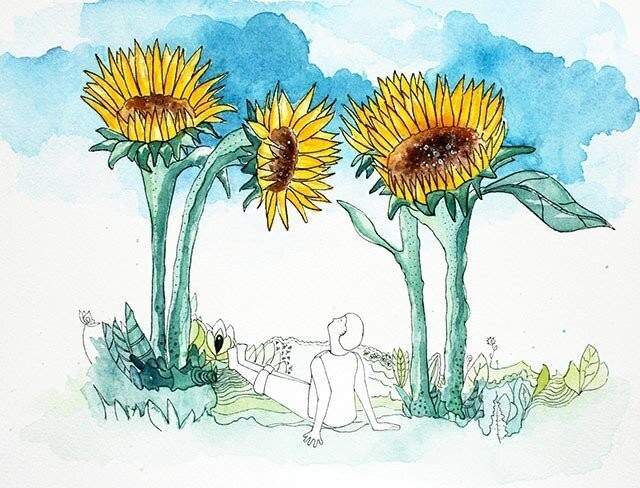
Illustration by Ingrid Sanchez
How Yoga can Help
Regular yoga practice has been shown to increase brain GABA levels and to improve both mood and anxiety (Streeter, 2010). In one systematic review, Pilkington, Kirkwood, Rampes and Richardson (2005) identified five studies describing the outcomes of yoga interventions for alleviating low mood and found yoga to have beneficial effects. Yogic breathing has also been repeatedly shown to be a valuable resource for people suffering from stress (Zucker et al., 2009), and as a useful aid for enhancing emotional regulation (Arch and Craske, 2006).
In terms of gastrointestinal distress, Salmon et al (2009) explain that ‘yoga and other repetitive motion patterns, appear to restore and entrain the rhythmicity of biological functions that are often disrupted during times of stress’, which can include the entrainment of bowel functioning. In addition, yoga has been shown to be beneficial for sleep difficulties, with one study evaluating the effects of yogic breathing on chronic insomnia reporting longer sleep and improved sleep efficiency (Khalsa, 2004).
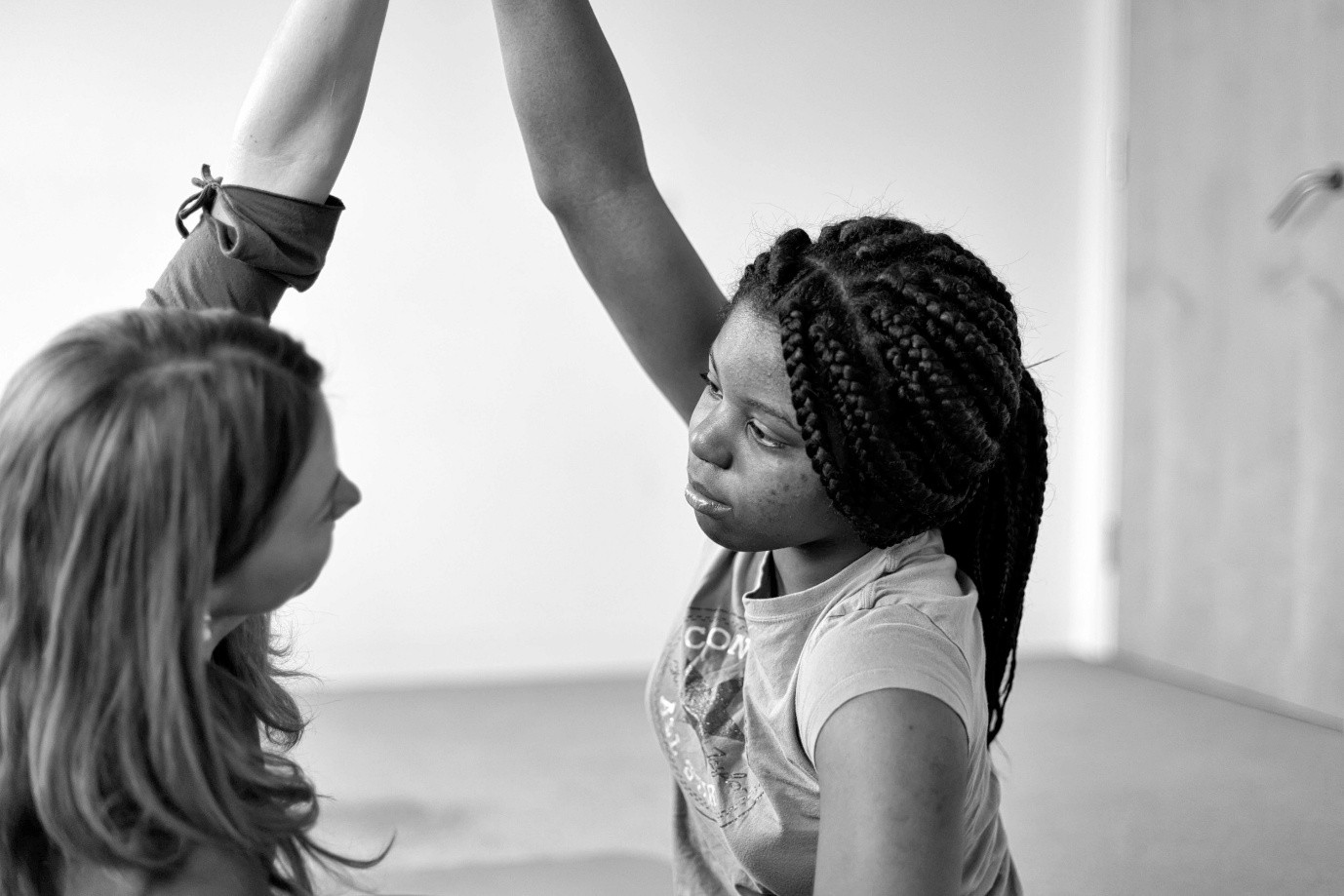
Allen and Anita (2014) found that yoga improved sensory processing and acted as an effective alternative therapy for children with autism. Yoga has also been found to support children with autism to enhance physical balance and flexibility alongside increasing focus and attention (Betts & Betts, 2006). Koenig et al. (2012) studied the effectiveness of yoga in sensory integration on children with autism and found significant positive changes.
School children practicing yoga for ten days improved spatial memory scores and the ability to concentrate (Telles et al., 1993). Yoga practice would also appear to positively influence emotional states, with children experiencing higher levels of wellbeing and self-esteem after a series of yoga sessions (Berger, Silver and Stein, 2009). In a review of the literature of the clinical applications of yoga for the paediatric population (Birdee et al., 2009), yoga was found to have benefits for spatial perception, muscle strength and respiratory capacity. Mindfulness-based approaches, such as yoga, have also been shown to improve self-regulatory processes (Razza et al., 2015).
In conclusion
Yoga has numerous potential benefits for children with autism spectrum conditions, including supporting and enhancing sensory system soothing and regulation. With increased sensory regulation, children with autism can experience better sleep, reduced gastrointestinal distress, less anxiety, higher levels of emotional and nervous system stability and greater peace within their minds and bodies.
Our next Special Yoga & Mindfulness for Autism & ADHD Foundation Training will run online from 3rd November.
FInd Out More - Special Yoga for Autism & ADHD

Doctor Nicole Schnackenberg
Nicole is a chartered child, community and educational psychologist, psychotherapist, yoga teacher and yoga therapist. In addition, Nicole has worked with Special Yoga for over a decade and teaches on our Advanced Level Two Practitioner Training.
References
Allen S., Anita M. (2014). Yoga: Therapy for children on the autism spectrum. Academic Exchange Quarterly Summer, 18(2):1096–1453
American Psychiatric Association (2013). Diagnostic and Statistical Manual of Mental Disorders (DSM-V). Washington, DC: American Psychiatric Association. (This one doesn't have a readily available online link).
Arch, J. J., & Craske, M. G. (2006). Mechanisms of mindfulness: Emotion regulation following a focused breathing induction. Behaviour Research and Therapy, 44, 1849-1858. https://pubmed.ncbi.nlm.nih.gov/16460668/
Ben-Sasson, A., Hen, L., & Fluss, R. (2009). A meta-analysis of sensory modulation symptoms in individuals with autism spectrum disorders.
Journal of Autism and Developmental Disorders, 39, 1–11. https://link.springer.com/article/10.1007/s10803-008-0593-3
Berger, D. L., Silver, E. J., & Stein, R. E. (2009). Effects of yoga on inner-city children's well-being: A pilot study. Alternative Therapy Health Medicine, 15, 36–42. https://pubmed.ncbi.nlm.nih.gov/37365081/
Betts D. E., Betts S.W. (2006). Yoga for Children with Autism Spectrum Disorders. Philadelphia, PA. Jessica Kingsley Publishers
Birdee, G. S., Yeh, G. Y., Wayne, P. M., Phillips, R. S., Davis, R. B., & Gardiner, P. (2009). Clinical applications of yoga for the paediatric population: A systematic review. Academic Paediatrics, 9, 212–220. https://pubmed.ncbi.nlm.nih.gov/19608122/
Bogdashina, O. (2016). Sensory perceptual issues in autism and asperger syndrome: different sensory experiences-different perceptual worlds. Jessica Kingsley Publishers.
Cermak, S. A., Curtin, C., & Bandini, L. G. (2010). Food selectivity and sensory sensitivity in children with autism spectrum disorders. Journal of the American Dietetic Association, 110, 238-246. https://pubmed.ncbi.nlm.nih.gov/20102851/
Dickie, V., Baranek, G., Schultz, B., Watson, L., & McComish, C. (2009). Parent reports of sensory experiences of preschool children with and without autism: A qualitative study. American Journal of Occupational Therapy, 63(2)_, 172–181. https://pubmed.ncbi.nlm.nih.gov/19432055/
Edenfield, T. M., & Saeed, S. A. (2012). An update on mindfulness meditation as a self-help treatment for anxiety and depression. Psychology Research and Behaviour Management, 5, 131-141. https://www.ncbi.nlm.nih.gov/pmc/articles/PMC3500142/
Green, V. A., Pituch, K. A., Itchon, J., Choi, A., O’Reilly, M., & Sigofoos, J. (2006). Internet survey of treatments used by parents of children with autism. Research in Developmental Disabilities, 27, 70–84. https://www.sciencedirect.com/science/article/pii/S0891422205000405
Green, S. A., & Ben-Sasson, A. (2010). Anxiety disorders and sensory over-responsivity in children with autism spectrum disorders: Is there a causal relationship?
Journal of Autism and Developmental Disorders, 40(12)_, 1495–1504.
Koenig, K. P., Buckley-Reen, A., & Garg, S. (2012). Efficacy of the Get Ready to Learn yoga program among children with autism spectrum disorders: A pretest–posttest control group design. The American Journal of Occupational Therapy, 66(5), 538-546.
Razza, R. A., Bergen-Cico, D., & Raymond, K. (2015). Enhancing preschoolers’ self-regulation via mindful yoga. Journal of Child and Family Studies, 24, 372-385.




Responses